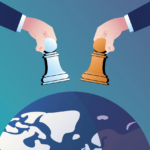
 The Imperial Executive: Adaptation or Democratic Risk?
  The new ‘safe’ risk: Gen Z are treating careers like startups
  Scrolling Through Life: When Connection Feels Like Isolation



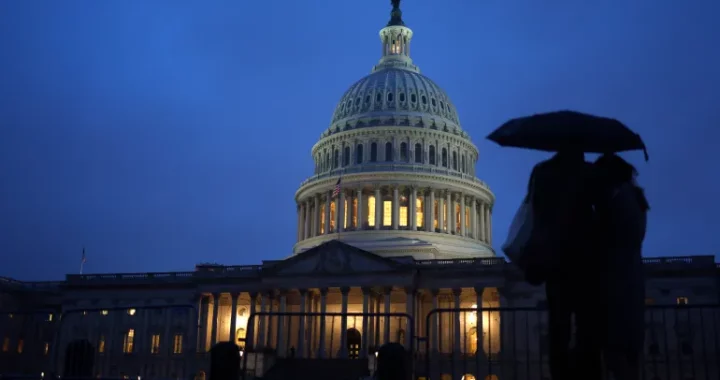
Weekly Recap: Jan 29 to Feb 5
Feb 5: Media executives face scrutiny in US Senate, Farmers’ protests erupt across Europe, Death toll in Israel’s war in Gaza exceeds 27,000.
Feb 5: Media executives face scrutiny in US Senate, Farmers’ protests erupt across Europe, Death toll in Israel’s war in Gaza exceeds 27,000.

In the ever-shifting landscape of international relations, North Korea’s foray into satellite capabilities has thrust the world into a realm of uncertainty. From allegations of espionage to geopolitical manoeuvres, the launch of its first spy satellite last year has set the stage for a complex dance of power dynamics. As the global community grapples with the implications, the balance of power teeters, and alliances take unexpected turns. In this article, we dissect the multifaceted consequences of North Korea’s surveillance capabilities, delving into the geopolitical intricacies that could reshape the world order.
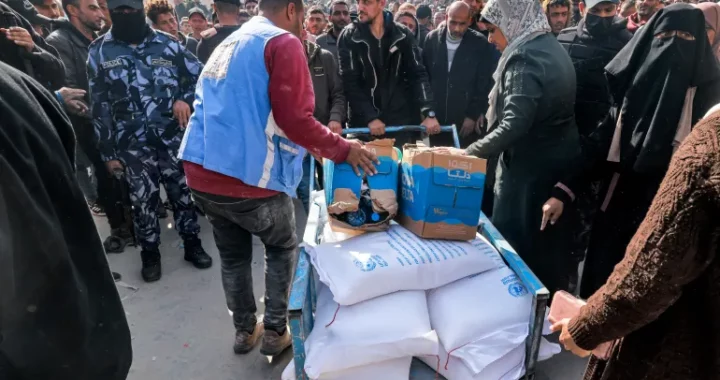
Jan 29: The US pledges millions to West African security, The ICJ warns Israel to refrain from war crimes, Palestinian death toll crosses 26,000.
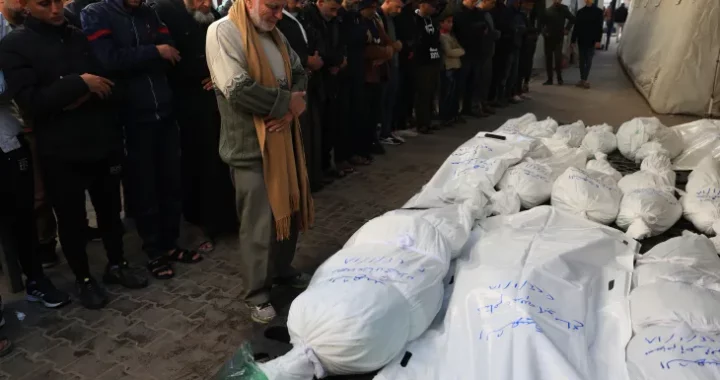
Jan 22: US Senate rejects resolution to curb Israel security assistance, Britain approves bill to send refugees to Rwanda, Israel’s Netanyahu opposes establishment of Palestinian sovereignty.

The coup that took the West completely by surprise: with over hundreds of millions of dollars in aid invested and thousands of military personnel from the USA, France and the EU deployed, American diplomats had described Niger as “imperfect”, but “more stable than others in the region”.
Mere hours after that statement, the Nigerien presidential guard would overthrow democratically elected President Mohamed Bazoum. This may just be the coup that tips West Africa into war and cements the Sahel region’s epithet — the ‘Coup Belt’. What does this mean for Niger? How did the West get blindsided? But more importantly, what insights have the coup revealed about the importance of nation-building, and the failure of international relations? The IAS Gazette finds out.
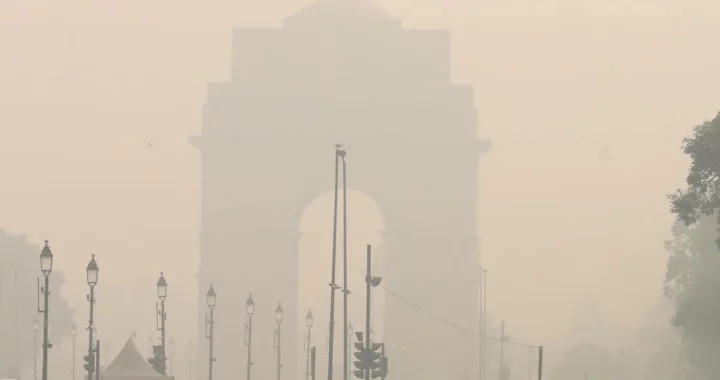
Living in one of the world’s most polluted cities, how do the youth of Delhi fare? Year in and out, Delhi is enveloped in a thick, choking fog. The effects of pollution move beyond respiratory issues to encompass a wide range of physiological and social issues. How aware are we of the impact of pollution on the lives of the young, and what uncharted future are they facing?
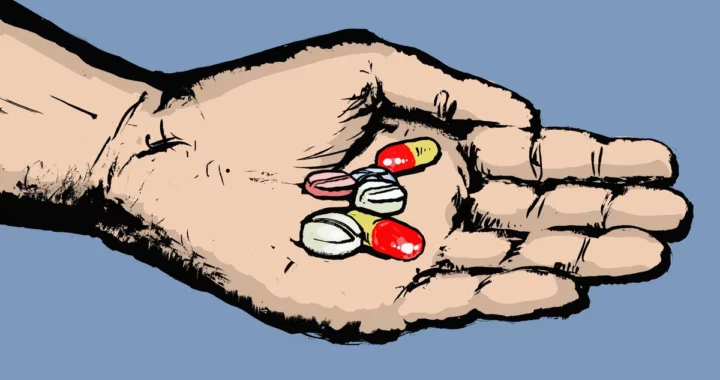
The opioid overdose epidemic has had three distinct waves of endemic deaths, with cumulative and long-lasting consequences that have lasted all the way to this very day. With just over 80,411 deaths in 2021 alone, it is certainly not an issue to be trifled with.
But the age-old question returns, what are the exacerbating factors behind this crisis?
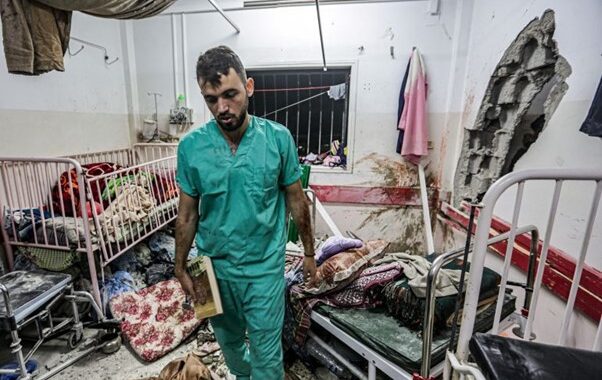
Dec 11: White House warns Congress to continue support for Ukraine; European Parliament passes landmark laws to regulate AI; US vetoes UNSC resolution draft calling for immediate ceasefire in Gaza.

Although World War II was the deadliest military conflict ever recorded in human history, it had a transformative influence on technology. Existing pieces of technology were made better or new technology was discovered in an effort to aid the war effort. However, did these technological advancements transcend the confines of wartime necessity? How far did they influence our daily lives and shape the path of human progress? The aftermath of this technological crucible reveals a complicated narrative of post-war transformation where the seeds sown during the war germinated into the roots of the new technological era.
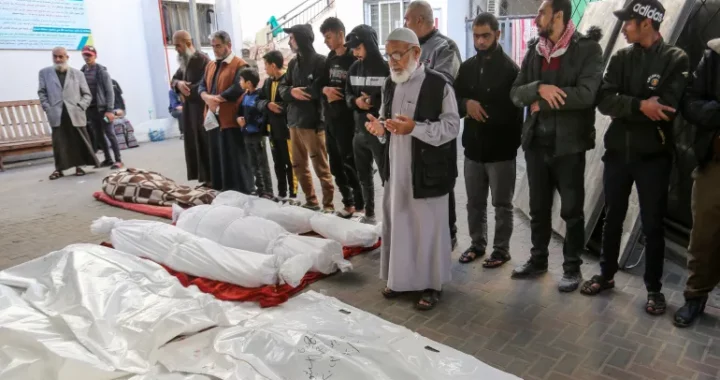
Dec 11: White House warns Congress to continue support for Ukraine; European Parliament passes landmark laws to regulate AI; US vetoes UNSC resolution draft calling for immediate ceasefire to Hamas-Israel War
The IAS Gazette is a news site run by undergraduates from the Singapore Institute of Management’s International Affairs Society (IAS). Founded in 2018, it traces its roots to The Capital, a now defunct bimonthly magazine previously under the IAS.
