COP29 deal: Developed VS Developing

COP29 deal: Developed VS Developing

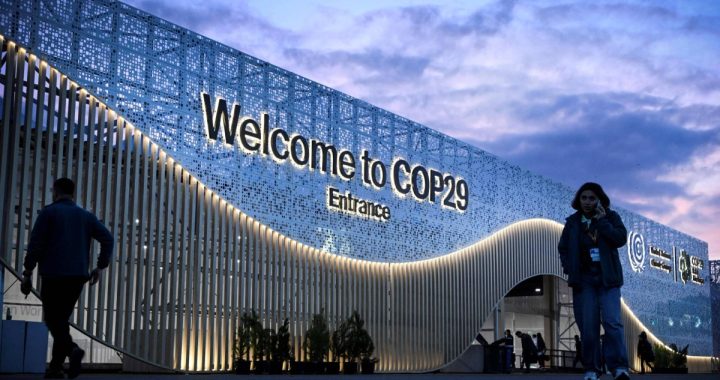
The COP29 summit concluded with a commitment of $300 billion annually in climate finance for developing nations by 2035, but developing nations, including India and Panama, criticised it as inadequate, falling short of the $1.3 trillion experts estimate is necessary. Meanwhile small island nations, such as Samoa, expressed frustration over being sidelined during negotiations. Developing nations also emphasized the need for grants instead of loans, which exacerbate debt crises and come with restrictive conditions. Historical responsibility lies with developed nations, which have contributed the majority of global emissions, while vulnerable nations face disproportionate impacts despite minimal emissions. Geopolitical tensions and the impending return of climate skeptic Donald Trump to the U.S. presidency complicate global cooperation. Despite these challenges, many emphasise the importance of continued collaboration to address the climate crisis.
Weekly Recap: Nov 26 to Dec 2

Weekly Recap: Nov 26 to Dec 2

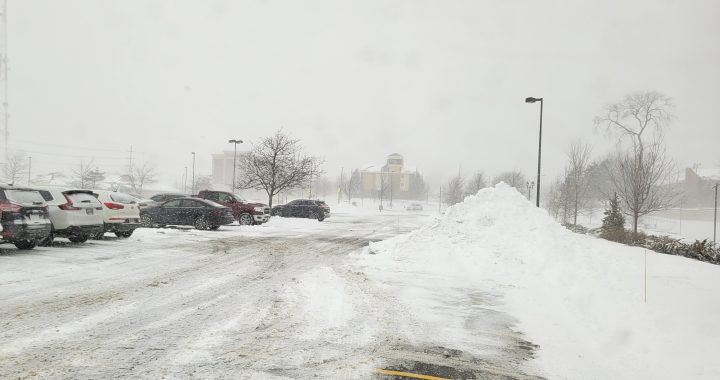
Dec 2: Major snowstorms blanket parts of the U.S. over Thanksgiving weekend (Nov 30 and Dec 1). The snowstorm led to an emergency declaration in parts of New York and a disaster declaration in Pennsylvania. President-elect Donald Trump is threatening to impose sweeping new tariffs on Mexico, Canada and China. The tariffs, if implemented, could dramatically raise prices on everything from gas to automobiles. Keir Starmer, Prime Minister of the UK reported immigration statistics unveiling shocking revelations on Thursday (Nov 28).

NOV 19 to NOV 25

NOV 19 to NOV 25

Nov 27: The United States Senate voted strongly to reject three resolutions aiming to block the sale of US weapons to Israel, with both Democrats and Republicans largely opposing it. Thousands marched across the streets in France and Italy to protest violence against women. Ecuador has declared a 60-day national emergency as it races to contain raging wildfires and battles intense drought.

Nov 12 to Nov 18

Nov 12 to Nov 18

Nov 18: The mass rape trial of Gisèle Pelicot reaches its final phase of closing statements as of Saturday. New Zealand Parliament was suspended due to a Māori Haka protest led by the country’s youngest MP, Hana-Rawhiti Maipi-Clarke on Thursday. At least 15 rescue workers had been killed in an Israeli airstrike in Lebanon as of last Thursday.

3rd Nov to 10th Nov

3rd Nov to 10th Nov

11th Nov: Donald Trump won the presidency with an astounding 312 votes, sweeping all seven battleground states last Wednesday. Mexican police find 11 bodies in a pick-up truck, including two children, in a Southern Mexican city, Chilpancigo on Thursday. This comes after its mayor was beheaded just last month. To especially address the impact of attacks on Israeli football supporters, Dutch Prime Minister, Dick Schoof cancels his attendance at COP29 happening from 11 to 22 November 2024 in Baku, Azerbaijan.

Unravelling the United Nations: Examine organisational failures

Unravelling the United Nations: Examine organisational failures

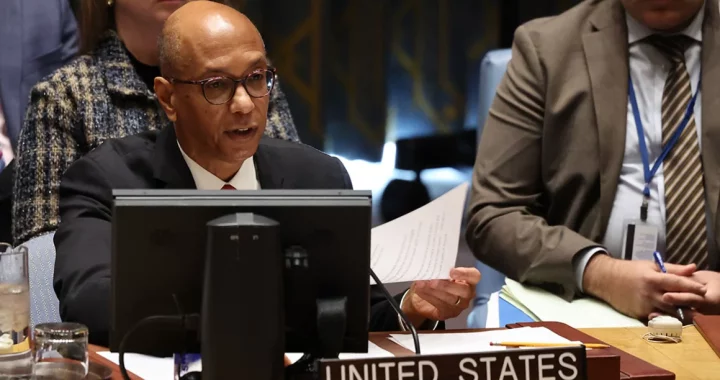
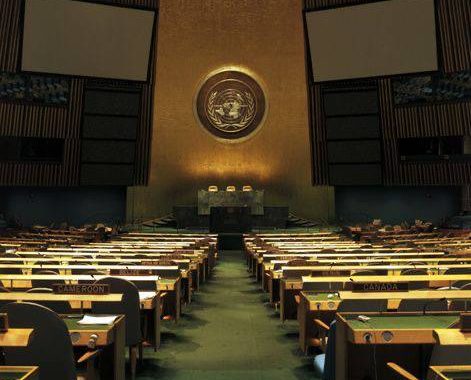
Established in 1945 as a response to World War II, the United Nations (UN) aims to maintain international peace and security while addressing global challenges like poverty and inequality. It comprises six organs, with the General Assembly (UNGA) serving as a forum for all member states, and the Security Council (UNSC) wielding significant power through binding resolutions. However, the UNSC’s veto power held by five permanent members often leads to paralysis in decision-making, prioritising national interests over global consensus. This outdated and undemocratic structure hinders the UN’s effectiveness. Despite these flaws, the UN has achieved notable successes, such as eradicating smallpox and stabilising post-conflict nations, underscoring the need for reform to enhance its role in promoting global cooperation and security.

About Us

The IAS Gazette is a news site run by undergraduates from the Singapore Institute of Management’s International Affairs Society (IAS). Founded in 2018, it traces its roots to The Capital, a now defunct bimonthly magazine previously under the IAS.

The Capital Magazine