Features

AI and Elections: The Double-Edged Sword of Democracy

AI and Elections: The Double-Edged Sword of Democracy

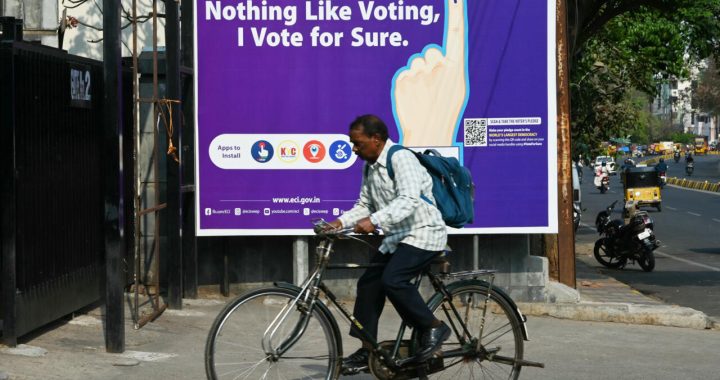
Artificial Intelligence (AI) has dual functions in the elections, it increases voter engagement and at the same time can lead to the spread of misinformation and cyber vulnerabilities. This technology can generate deepfakes and robocalls, that manipulate electoral narratives and incidents have occurred in multiple countries including those in the U.S, Slovakia, India, etc. Despite this AI has also managed to improve political interaction as seen in Pakistan and Belarus where opposition figures could connect better with voters. Experts stress on the significance of creating regulations that balances the freedom of speech and the prohibitions of the harmful practices of AI. Tech companies are urged to self-regulate whereas digital literacy initiatives may provide the voters with the ability to identify a reliable source. The changing relations between technology and politics demand proactive policymaking to protect the democratic processes and to embody the responsible use of AI in the forthcoming elections.
Untangling the Web: The Intricate Geopolitics of Sudan’s Civil War

Since its beginning on April 15, 2023, the Sudan Civil War has impacted 13 of the country’s 18 states, resulting in one of the worst humanitarian crises. It is the largest displacement crisis, with over 8 million internally displaced and 3 million fleeing the country. Sudanese citizens have to suffer under the attacks from the warring parties, SAF and RSF as well as deal with famine, malaria and sexual violence. The war was borne out of a power struggle between the SAF and RSF, both fighting for legitimacy and territory. Both parties are also assisted by foreign players who have a vested interest in maintaining their influence. 

Prominently, UAE has been spotted as very heavily involved, having had close relations with RSF commander Hemediti and arming the RSF illegally. The other foreign countries involved are Saudi Arabia, Russia, Egypt and Libya. These countries have been excaberating the conflict for their own gain just like UAE.

International institutions have been discussing this conflict at length, there have been various reports documenting the deteriorating conditions and they are aware of the countries involved in helping RSF and SAF. However, there has not been a strong co-ordinated response towards this war and to these particular countries, and the Sudanese have to bear the brunt of this, with no end in sight.

Gisèle Pelicot: Person of the Year

Gisèle Pelicot: Person of the Year

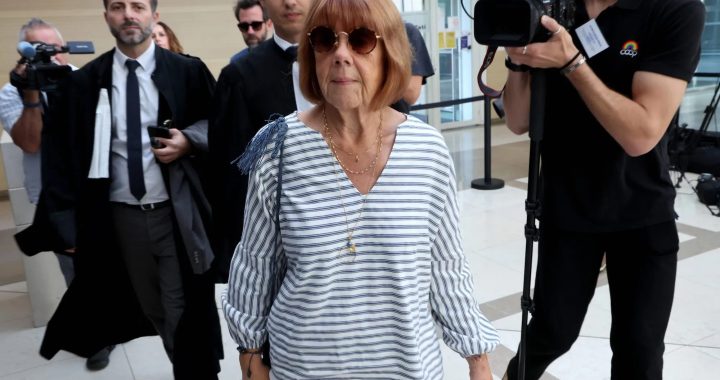
72-year-old Gisèle Pelicot’s trial marks the biggest rape trial in French history. She boldly refused anonymity and instead, used her trial as an opportunity to battle against rape culture and victim-shaming in society. Ms Pelicot endured a four month trial in a court room with the dozens of men who raped her without consent – one of them being her ex-husband Dominique Pelicot. “I wanted all of society to be a witness” said Ms Pelicot, who asserts that the shame of assaulting someone lies only with the perpetrator, not the victim.

COP29 deal: Developed VS Developing

COP29 deal: Developed VS Developing

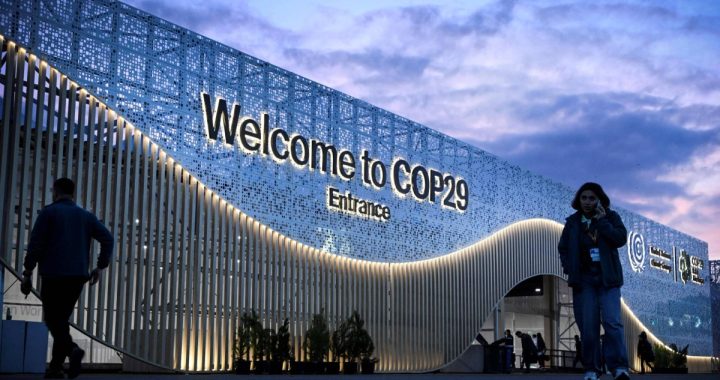
The COP29 summit concluded with a commitment of $300 billion annually in climate finance for developing nations by 2035, but developing nations, including India and Panama, criticised it as inadequate, falling short of the $1.3 trillion experts estimate is necessary. Meanwhile small island nations, such as Samoa, expressed frustration over being sidelined during negotiations. Developing nations also emphasized the need for grants instead of loans, which exacerbate debt crises and come with restrictive conditions. Historical responsibility lies with developed nations, which have contributed the majority of global emissions, while vulnerable nations face disproportionate impacts despite minimal emissions. Geopolitical tensions and the impending return of climate skeptic Donald Trump to the U.S. presidency complicate global cooperation. Despite these challenges, many emphasise the importance of continued collaboration to address the climate crisis.

3rd Nov to 10th Nov

3rd Nov to 10th Nov

11th Nov: Donald Trump won the presidency with an astounding 312 votes, sweeping all seven battleground states last Wednesday. Mexican police find 11 bodies in a pick-up truck, including two children, in a Southern Mexican city, Chilpancigo on Thursday. This comes after its mayor was beheaded just last month. To especially address the impact of attacks on Israeli football supporters, Dutch Prime Minister, Dick Schoof cancels his attendance at COP29 happening from 11 to 22 November 2024 in Baku, Azerbaijan.

Unravelling the United Nations: Examine organisational failures

Unravelling the United Nations: Examine organisational failures

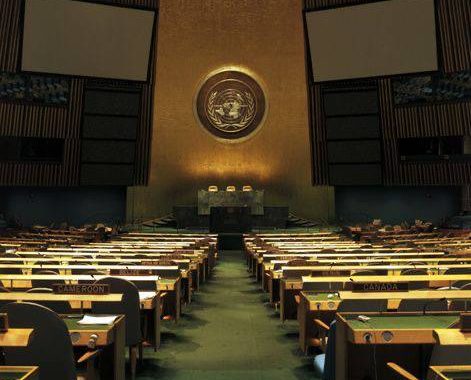
Established in 1945 as a response to World War II, the United Nations (UN) aims to maintain international peace and security while addressing global challenges like poverty and inequality. It comprises six organs, with the General Assembly (UNGA) serving as a forum for all member states, and the Security Council (UNSC) wielding significant power through binding resolutions. However, the UNSC’s veto power held by five permanent members often leads to paralysis in decision-making, prioritising national interests over global consensus. This outdated and undemocratic structure hinders the UN’s effectiveness. Despite these flaws, the UN has achieved notable successes, such as eradicating smallpox and stabilising post-conflict nations, underscoring the need for reform to enhance its role in promoting global cooperation and security.

About Us

The IAS Gazette is a news site run by undergraduates from the Singapore Institute of Management’s International Affairs Society (IAS). Founded in 2018, it traces its roots to The Capital, a now defunct bimonthly magazine previously under the IAS.

The Capital Magazine