The Story of 2024 Decades in the Making
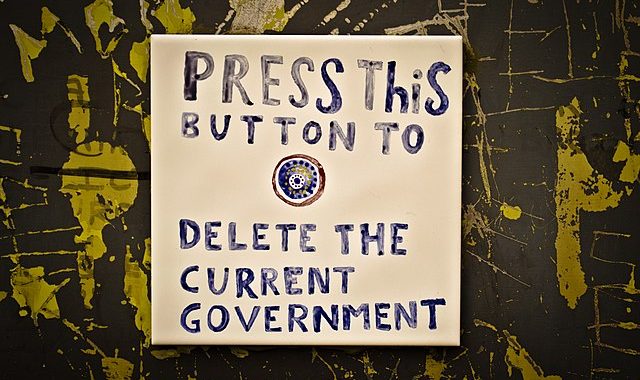
The year 2024 has been a year of many elections, and one of massive upsets.
The year 2024 has been a year of many elections, and one of massive upsets.
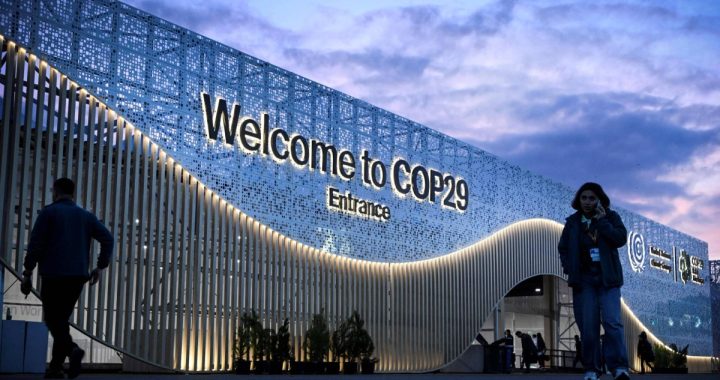
The COP29 summit concluded with a commitment of $300 billion annually in climate finance for developing nations by 2035, but developing nations, including India and Panama, criticised it as inadequate, falling short of the $1.3 trillion experts estimate is necessary. Meanwhile small island nations, such as Samoa, expressed frustration over being sidelined during negotiations. Developing nations also emphasized the need for grants instead of loans, which exacerbate debt crises and come with restrictive conditions. Historical responsibility lies with developed nations, which have contributed the majority of global emissions, while vulnerable nations face disproportionate impacts despite minimal emissions. Geopolitical tensions and the impending return of climate skeptic Donald Trump to the U.S. presidency complicate global cooperation. Despite these challenges, many emphasise the importance of continued collaboration to address the climate crisis.
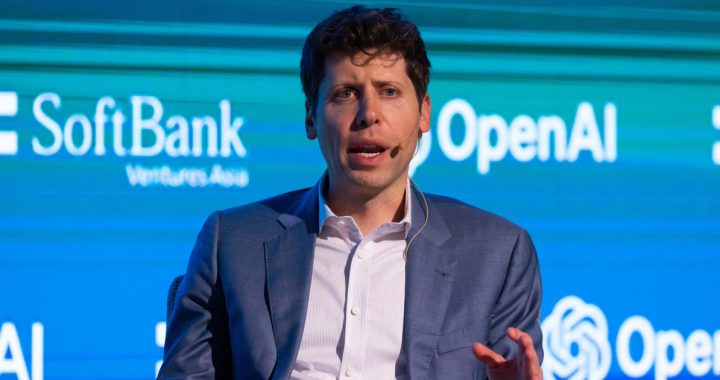
Around 10 years ago if we were to just imagine, an Artificial Intelligence (AI) that
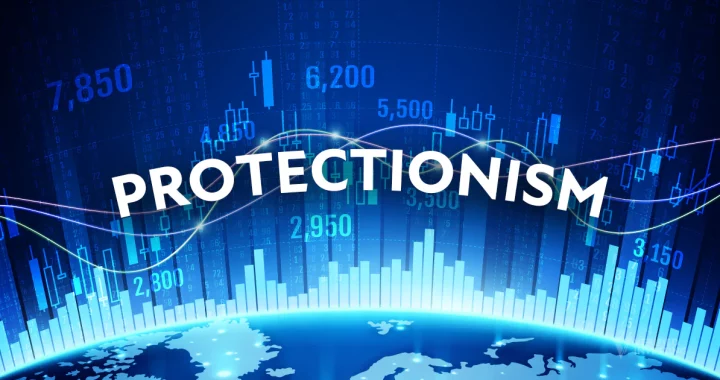
Protectionism is a practice of economic policy often involving but not limited to a slew
As we near the end of 2024, the world of international relations continues to evolve
11th Nov: Donald Trump won the presidency with an astounding 312 votes, sweeping all seven battleground states last Wednesday. Mexican police find 11 bodies in a pick-up truck, including two children, in a Southern Mexican city, Chilpancigo on Thursday. This comes after its mayor was beheaded just last month. To especially address the impact of attacks on Israeli football supporters, Dutch Prime Minister, Dick Schoof cancels his attendance at COP29 happening from 11 to 22 November 2024 in Baku, Azerbaijan.
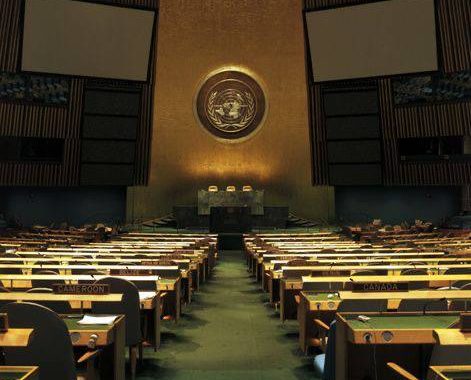
Established in 1945 as a response to World War II, the United Nations (UN) aims to maintain international peace and security while addressing global challenges like poverty and inequality. It comprises six organs, with the General Assembly (UNGA) serving as a forum for all member states, and the Security Council (UNSC) wielding significant power through binding resolutions. However, the UNSC’s veto power held by five permanent members often leads to paralysis in decision-making, prioritising national interests over global consensus. This outdated and undemocratic structure hinders the UN’s effectiveness. Despite these flaws, the UN has achieved notable successes, such as eradicating smallpox and stabilising post-conflict nations, underscoring the need for reform to enhance its role in promoting global cooperation and security.
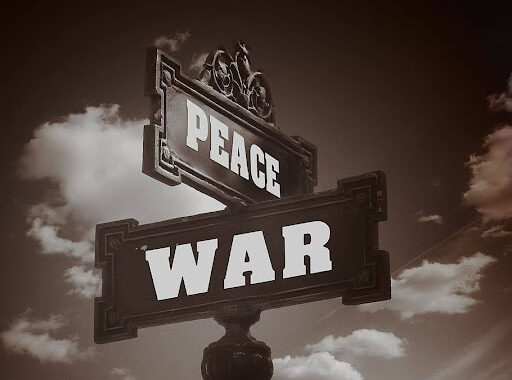
Exploring the intricate relationship between peace and war reveals their definitions, manifestations, and implications. It discusses the transient nature of peace and the evolving forms and motivations of war, such as during the Syrian Civil War. The pursuit of peace is paved by the need for genuine desire and trust among conflicting parties – the delicate global balance between peace and war requires ongoing diplomatic efforts and international cooperation.
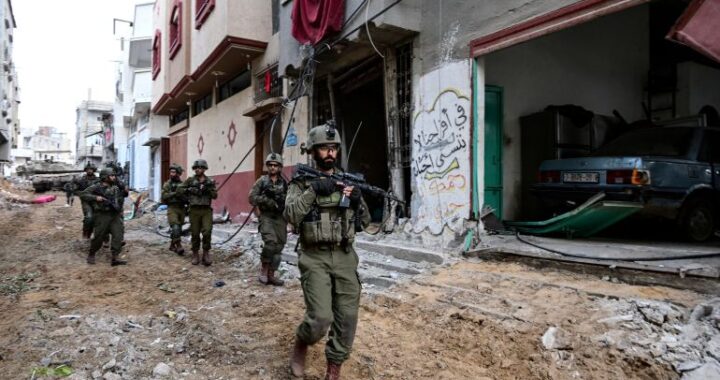
Israel’s current war in Gaza has left many bewildered, with more than 29,000 casualties, crimes under international law plaguing both sides, and no end in sight. In this state of confusion, a look back into how everything came to be, and where the convictions of the Israeli and Palestinian people, may help make sense of it all.
After all, what better way is there to create a better future than by understanding the past?
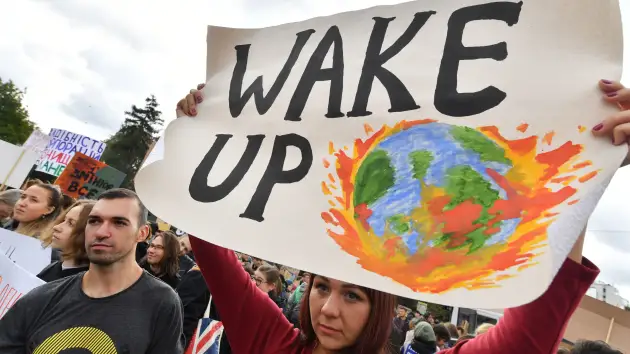
In the current landscape, there is a prevailing norm urging individuals to take action on global issues, from humanitarian crises to wealth inequality. But how effective is this current approach? For individual action to yield results, the solution may lie with collective activism, where the individual takes on a new role — one that is revitalised and realising of their potential.
The IAS Gazette is a news site run by undergraduates from the Singapore Institute of Management’s International Affairs Society (IAS). Founded in 2018, it traces its roots to The Capital, a now defunct bimonthly magazine previously under the IAS.
